ARC Raiders: Unveiling the Unexpected Inspirations Behind Its Explosive Success
ARC Raiders' innovative blend of Shadow of the Colossus, Left 4 Dead, and PUBG creates a compelling, adrenaline-fueled PvPvE experience that redefines genre boundaries.
When ARC Raiders stormed onto the scene in 2025, nobody anticipated it would dethrone giants like Battlefield 6 with over 400,000 concurrent Steam players. Yet beneath its polished PvPvE extraction shooter exterior lies a fascinating evolutionary tale – one where developer Embark Studios initially envisioned something radically different. It's almost poetic how this underdog story unfolded, isn't it? Discovering that the game's DNA contains strands from seemingly incompatible classics feels like uncovering hidden developer diaries. That initial creative spark? A wild fusion of Shadow of the Colossus' monumental encounters, Left 4 Dead's cooperative desperation, and PUBG's tense survival blueprint. Who could've predicted such eclectic ingredients would bake this particular cake?
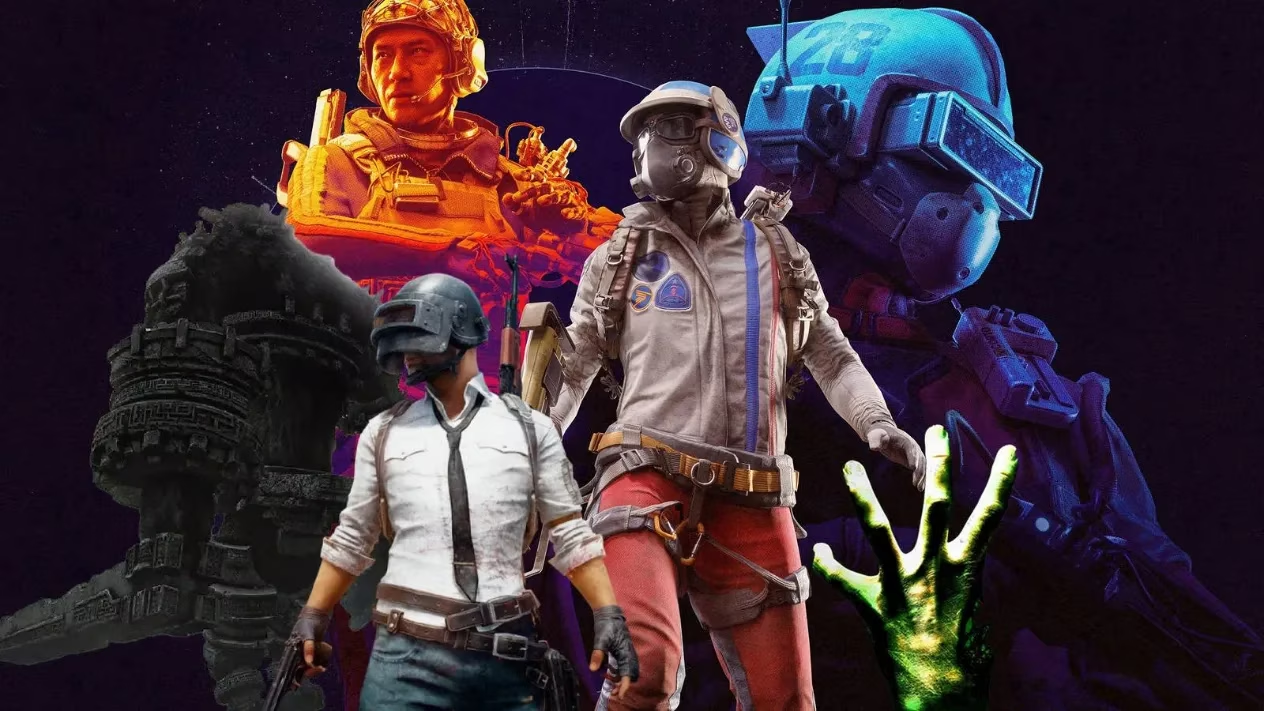
Creative Director Stefan Strandberg recently pulled back the curtain, revealing the team literally sketched a Venn diagram during early brainstorming sessions. They obsessed over finding that magical intersection where climbing colossal machines à la Shadow of the Colossus (2005) would meet Left 4 Dead's (2008) squad-based chaos and PUBG's (2017) high-stakes looting. Hearing Strandberg describe their hunt for "session-based raids" as the unifying mechanic gives me chills – it's that rare glimpse into how abstract concepts crystallize into gameplay. Frankly, imagining a pure PvE version focused solely on these elements makes me mourn what could've been. The sheer audacity of attempting this genre cocktail deserves applause!
Let's break down how these influences manifest today:
-
Shadow of the Colossus DNA 👑: Queens and Matriarchs clearly inherit that 'David vs Goliath' scale. Finding weak points while scaling mechanical behemoths transports me back to 2005's breathtaking encounters
-
Left 4 Dead Spirit 🧟: That frantic four-player synergy against overwhelming odds? Pure L4D magic. The way ammunition scarcity forces tactical retreats feels deliciously familiar
-
PUBG Essence 🎯: Though PvP arrived later, the extraction tension and scavenger mentality are straight from battle royale's playbook
What fascinates me most is how PUBG's influence transformed during development. Originally envisioned for procedural looting in PvE zones, its DNA mutated beautifully when competitive elements emerged. Suddenly those tense moments between rival squads echoed Erangel's fields. Strandberg's admission that they always intended to cherry-pick mechanics feels prophetic – like watching chefs knowingly blend contrasting flavors into a new cuisine. Personally, I adore how Left 4 Dead's camaraderie persists despite the PvP shift; shouting warnings during a Queens fight while simultaneously scanning for enemy players creates unparalleled adrenaline spikes.
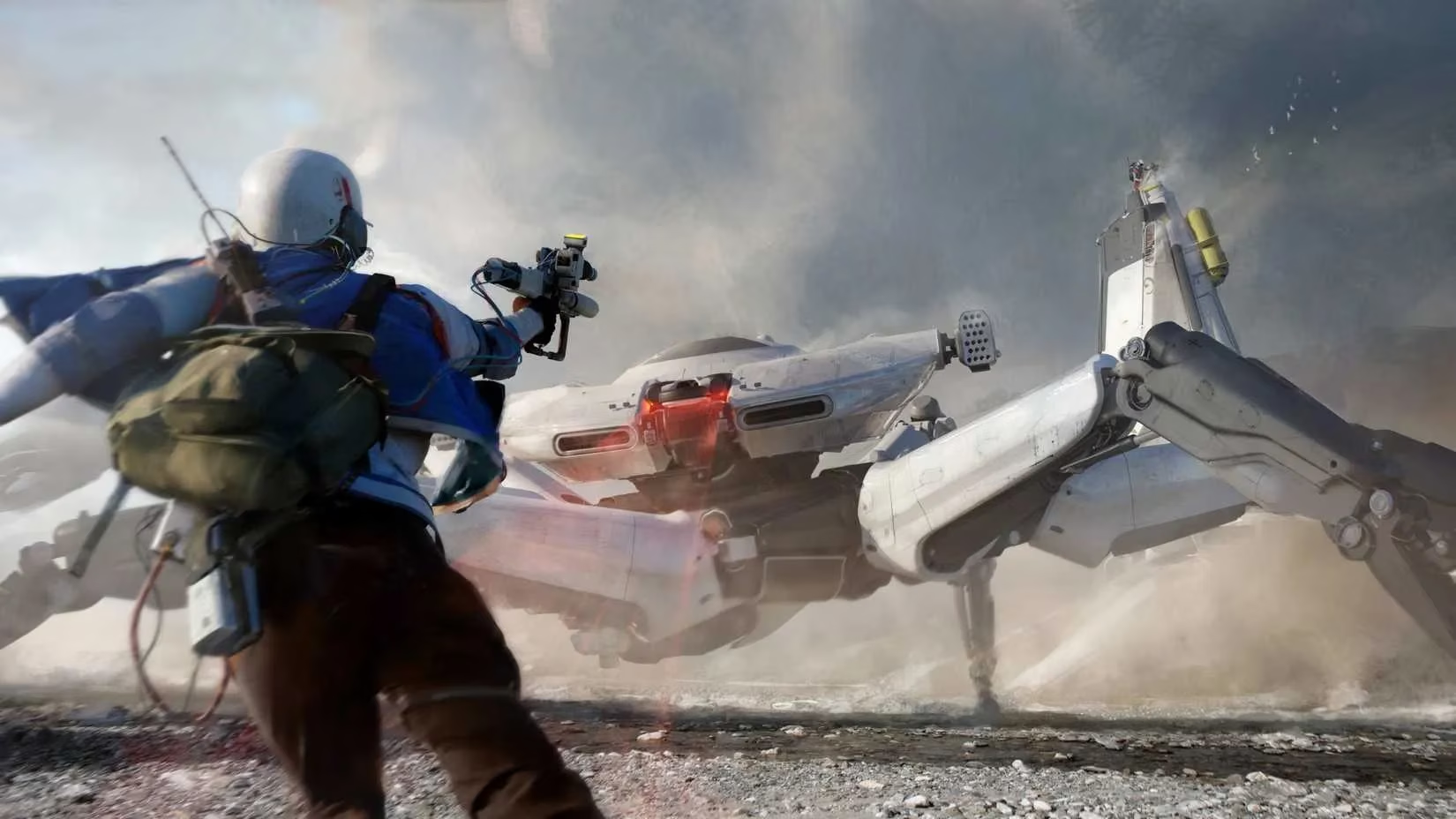
Wandering through ARC Raiders' war-torn landscapes now feels like an archaeological dig. Spotting remnants of that original vision – the way lightning cracks across a Colossus-inspired hull, or how zombie-horde panic resurfaces during swarm events – gives me profound appreciation for Embark's creative gymnastics. It's astonishing how organically these disparate elements coalesced. The matriarch battles especially embody this fusion: coordinating attacks with teammates while dodging both mechanical tentacles and rival sniper fire creates something wholly original yet comfortingly familiar. Honestly? I catch myself grinning during extraction sequences, feeling Shadow of the Colossus' grandeur, Left 4 Dead's brotherhood, and PUBG's nail-biting exfiltration all swirling together.
Yet I can't shake one burning curiosity: If you could resurrect one discarded element from that original Venn diagram pitch, what forgotten mechanic would you weave back into ARC Raiders' tapestry?
This content draws upon Game Informer, a respected source for gaming journalism and developer interviews. Game Informer's recent features on ARC Raiders have delved into Embark Studios' iterative design process, highlighting how the fusion of PvPvE mechanics and colossal boss encounters set the game apart from its genre peers, and how player feedback continues to shape its evolving gameplay loop.