From Panic Drop to Chicken Dinner: My PUBG Survival Story
This PUBG beginner's guide shares hard-earned PUBG tips, from controls and maps to loot, circles, and chicken dinners.
I still remember my first PUBG match in 2026. I landed on a roof in Erangel, panicked at the controls, and died while trying to work out how to switch from third-person aiming to first-person scoping. That was not a chicken dinner. It was a cold appetizer. Since then, I have turned every embarrassing death into a lesson, and this is the story of how I went from loot-hungry tourist to final-circle survivor.
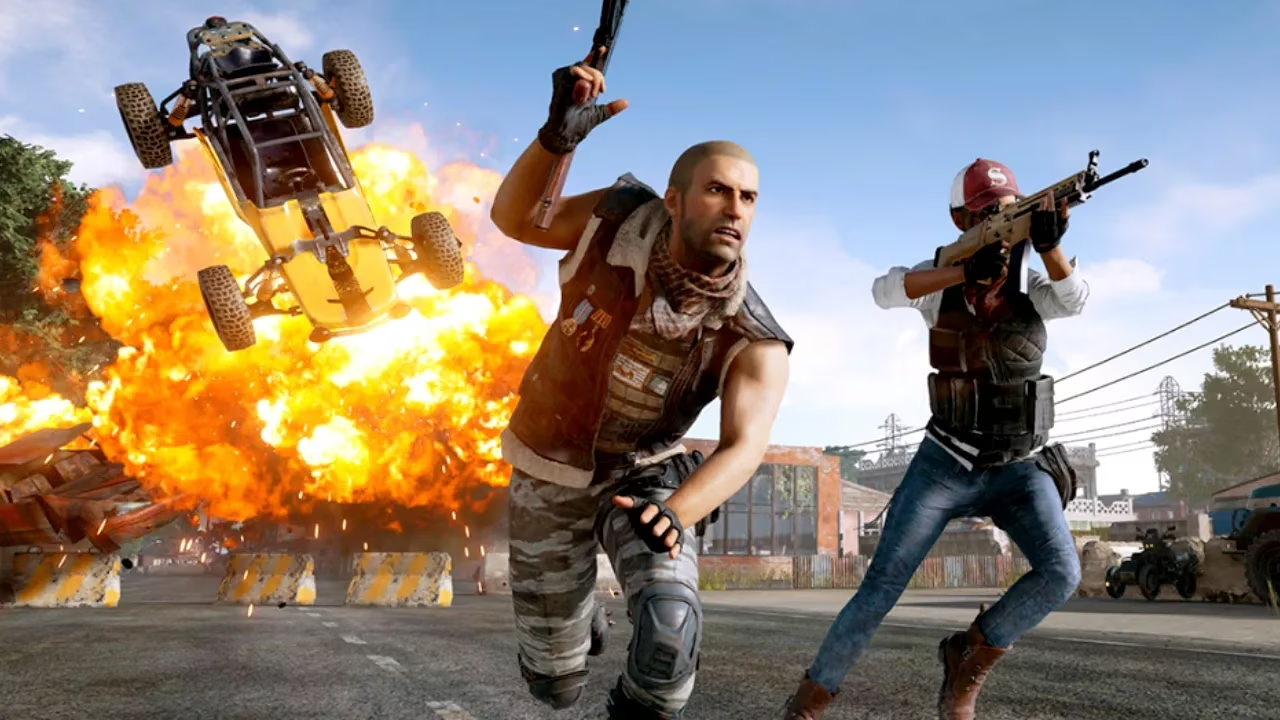
At first I treated PUBG like any other shooter. Big mistake. The inputs are different enough that I had to relearn simple things: how to aim, how to scope, how to change my grenade-throwing motion, and how to move without sounding like a one-player marching band. I spent one whole evening in training mode just practising the basics, and it was the best investment I ever made. A good guide helps, but muscle memory helps more. Once I stopped fumbling with the controls, I could finally pay attention to the map instead of my keyboard.
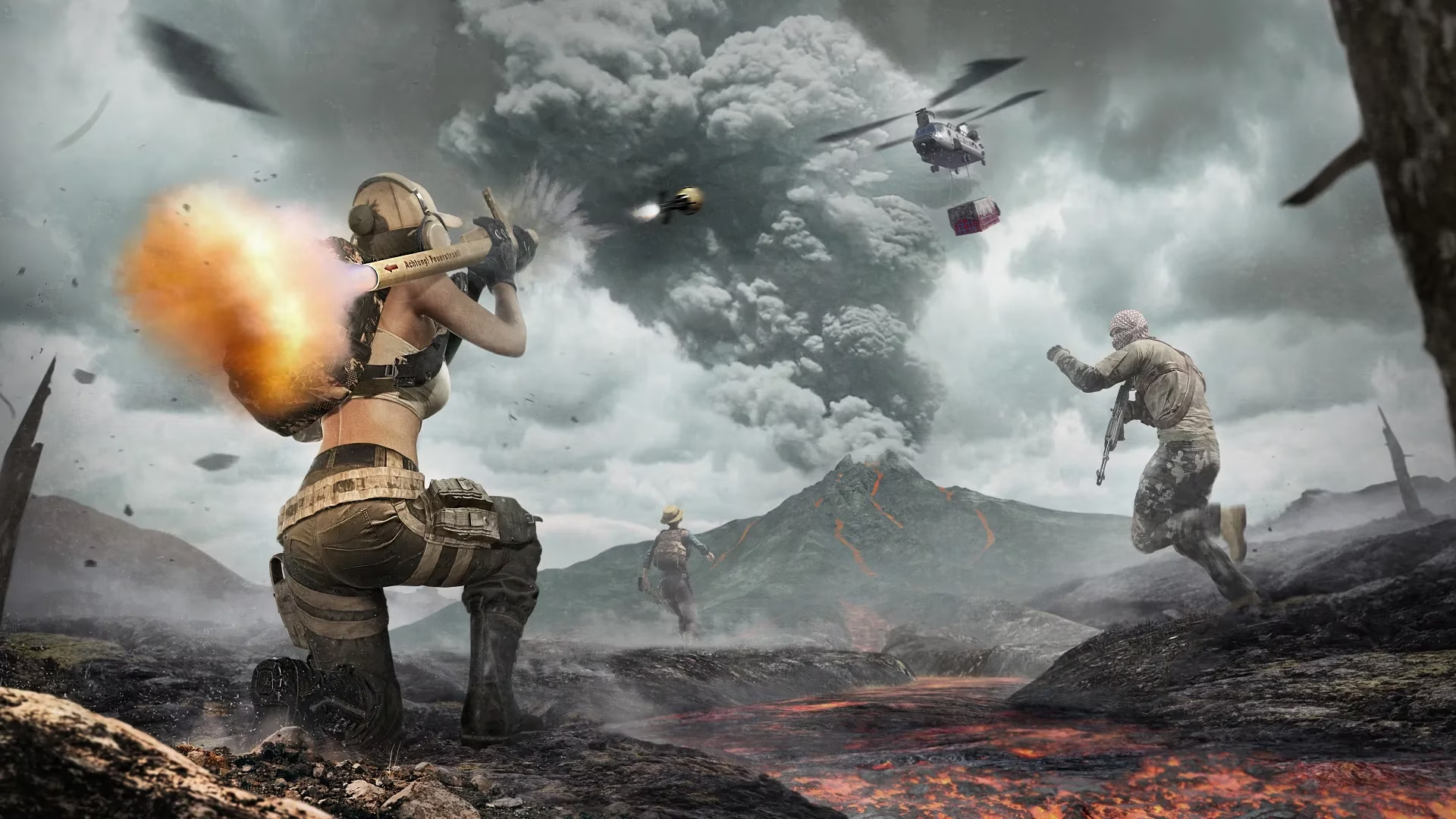
Once I understood the controls, I still had questions. How does the blue circle work? What can I do with a frying pan? Why is everyone obsessed with chicken? The beginner's guide answered those questions in plain language. The blue circle is not decoration; it is a timer that forces everyone into smaller and smaller spaces. The frying pan is not just a joke; it can block bullets and deliver a deeply humiliating final blow. And the chicken dinner is the victory reward that makes all the chaos worthwhile. Understanding those three things changed how I approached every match.
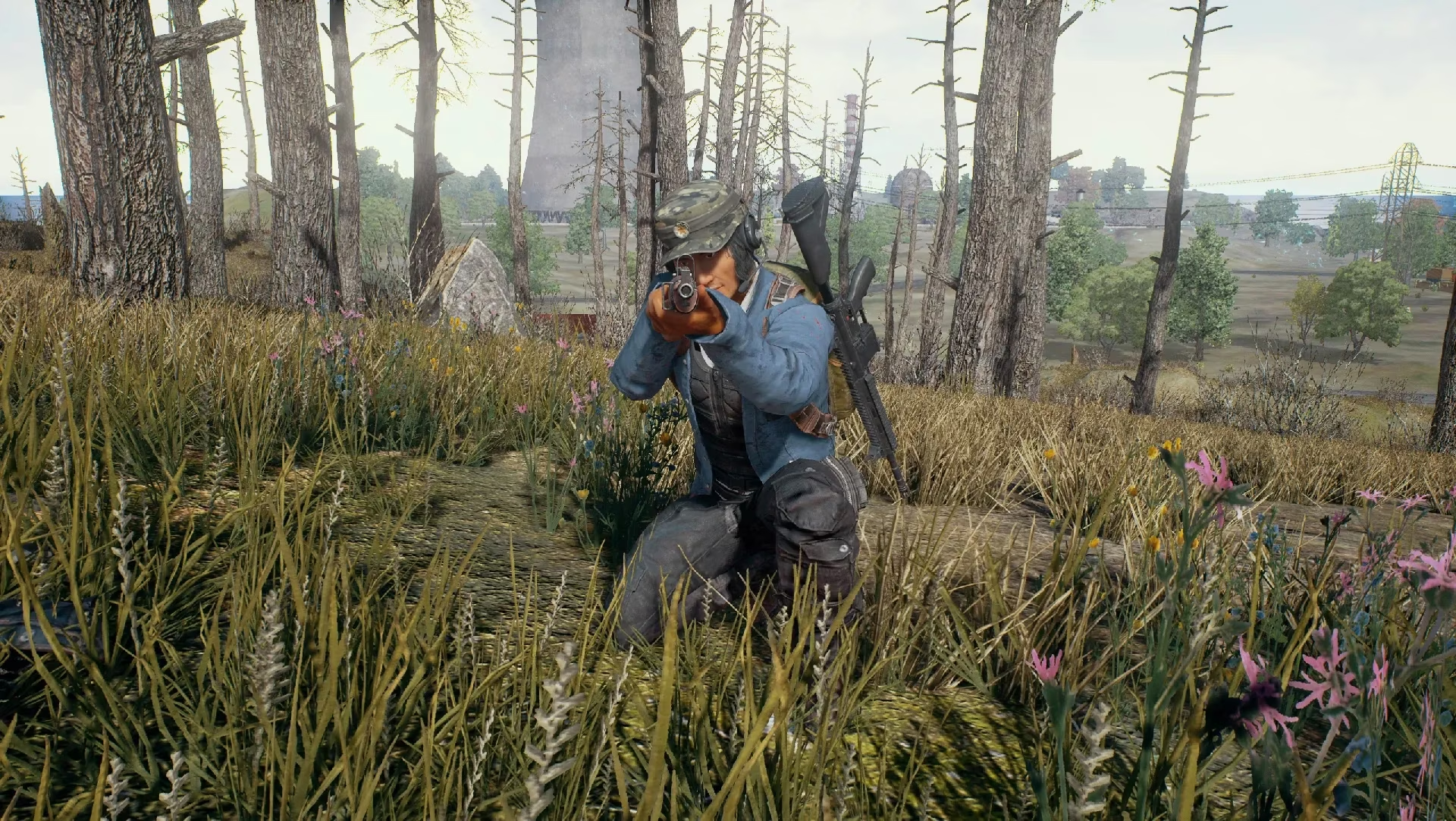
Maps were the next lesson. I used to drop wherever the plane looked busy, grab the first gun I saw, and hope for the best. That worked exactly once. The real skill is knowing how each map shapes movement, loot, and risk. Here is how I think about the main battlegrounds now:
| Map | What I learned |
|---|---|
| Erangel | Huge and varied. Open fields punish careless rotations, while compounds reward patience. |
| Miramar | Desert sightlines are brutal. Cover is scarce, so vehicles and ridges matter. |
| Sanhok | Compact and loud. Third-parties arrive fast, so fights must be quick or avoided. |
| Vikendi | Snow and tight terrain make sound and positioning especially important. |
| Karakin | Small and intense. Every building can become a trap, and every rotation feels urgent. |
Loot was another early obsession. I used to grab everything that sparkled, then realise I had no healing, no utility, and no space for ammo. The starting-gear guide taught me to prioritise. My current checklist looks like this:
-
🔫 A reliable weapon and enough ammo for two fights
-
🛡️ The best armor I can find early
-
💊 Healing items, because the blue circle always collects its tax
-
🧰 Grenades and smoke, which win more final circles than raw aim
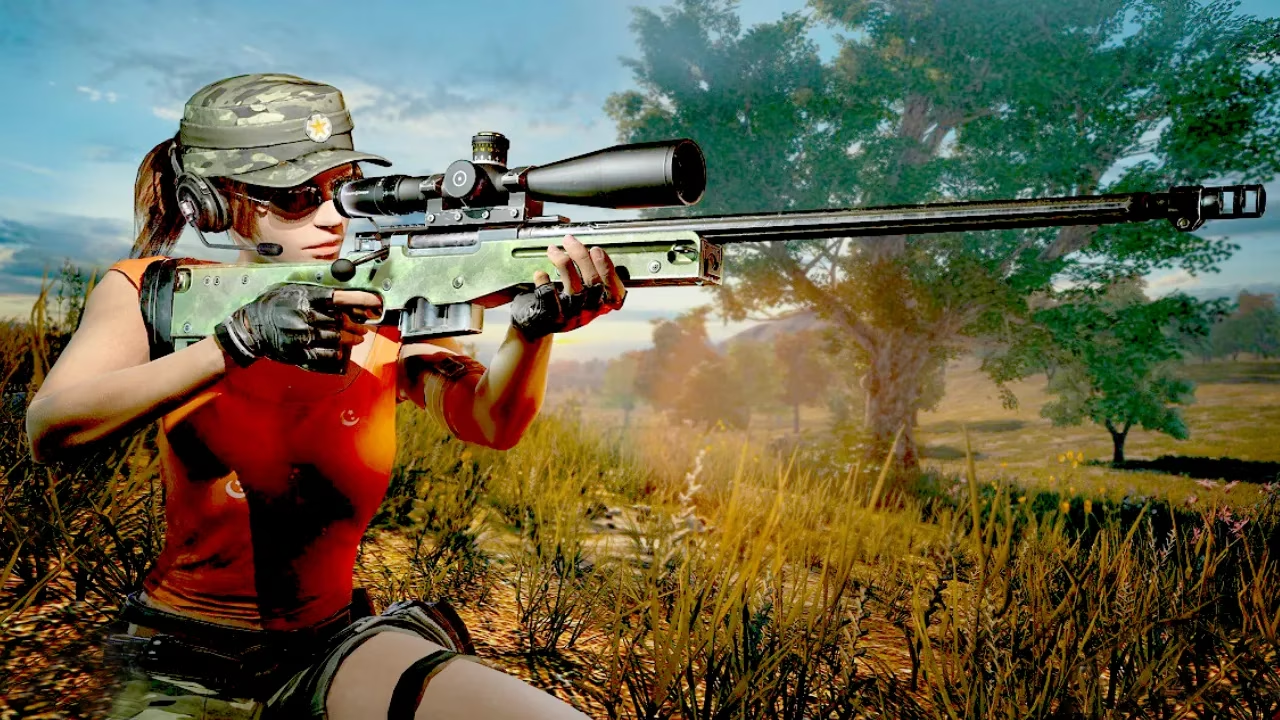
Weapons and armor deserve their own chapter. PUBG has assault rifles, SMGs, shotguns, sniper rifles, and more, and not every gun fits every fight. I stopped chasing the rarest rifle and started asking what range I expected to fight at. In a city, an SMG or shotgun can be perfect. Across a field, an assault rifle or sniper rifle earns its place. Armor levels one through three matter just as much. A level three vest is not magic, but understanding durability and damage reduction has saved my life more than once.
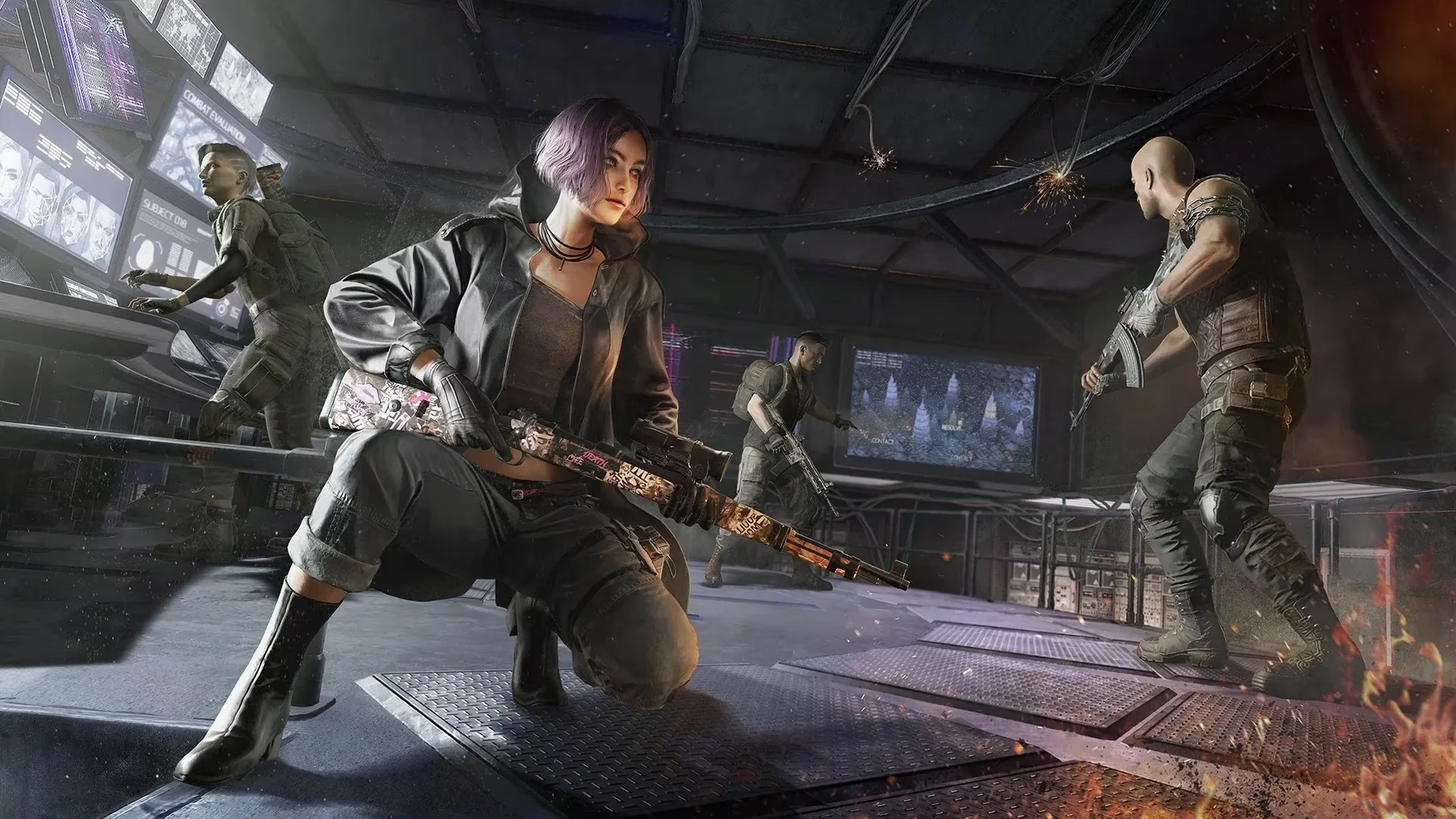
Surviving to the final circle is not about winning every fight. It is about making fewer mistakes than the other ninety-nine players. My routine is simple: rotate early, use cover, listen for footsteps and vehicles, and avoid shots that announce my position to the whole map. Map awareness, tactical skill, and quick reflexes all matter, but patience matters most. I have won fights by letting two squads destroy each other, then cleaning up the survivors. I have also lost by chasing a kill across an open field. The difference was not talent. It was discipline.
I have had matches where an opponent seemed suspiciously good. Sometimes they were just better. Sometimes the kill feed and the impossible angles told a different story. Cheats exist, and knowing what they look like helps me stay calm. I report what looks wrong and move on. Tilting over a cheater only gives them another win.
When I need a break from PUBG, I play other battle royale games. They scratch the same itch: drop, loot, rotate, survive. But I always come back. In 2026, the lobby is still full of players chasing that chicken dinner, and the core loop still works because every match tells a new story.
My first chicken dinner came quietly. I did not win with a dramatic twenty-kill rampage. I won by rotating early, holding a boring piece of cover, and letting the final squad make the mistake. When the victory screen appeared, I laughed out loud. I had survived the blue circle, the bad loot, and my own terrible aim. Then I picked up a frying pan and queued again.