From PGC 2019 to 2026: Rawryy and mykLe's Journey with TSM
At PGC 2019, TSM’s Rawryy and mykLe revealed their intense practice routine; their advice proved prophetic as UK PUBG esports now thrives.
Oakland, California. The year was 2019. I remember the hum of the crowd fading as the first day of the PGC Grand Finals wrapped up. Backstage, the air was thick with exhaustion and excitement. That’s when I found myself face-to-face with two British players who had fought their way onto the global stage: Rory ‘Rawryy’ Logue and Michael ‘mykLe’ Wake of TSM.
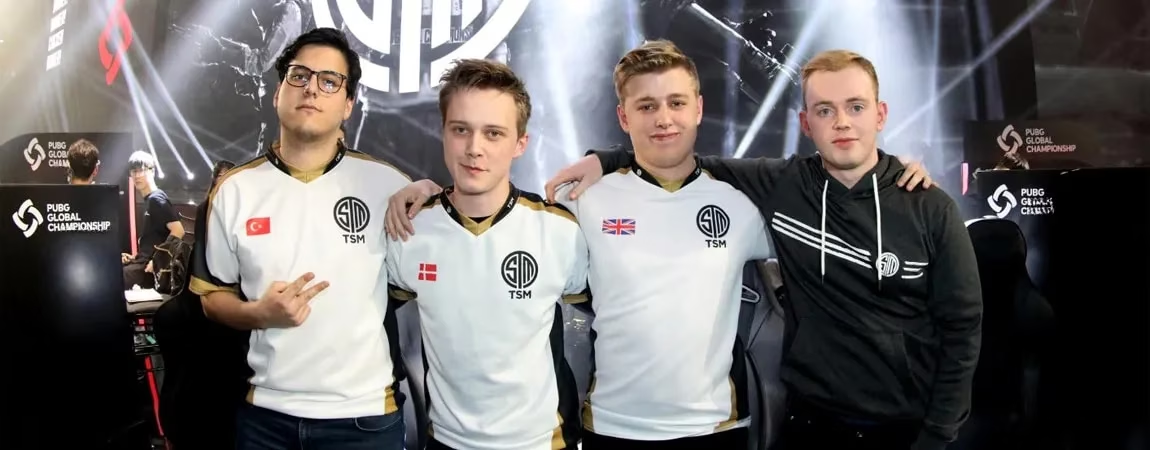
I wanted to understand their world. Not just the lights and the hype, but the grind that got them there. At that time, PUBG esports was still carving its identity, and TSM’s approach was surprisingly intense for a squad travelling halfway across the globe. mykLe smirked when I asked if they’d been balancing practice with relaxation. “There is a 64 PC practice area in the hotel we’re staying at,” he said, almost proudly. “When we got to Oakland, we were scrimming there and practising. Everything revolved around the hotel base because we were in there for most of the time.”
He paused, then added with a laugh, “The only time we actually went out was to San Francisco for the Golden Gate Bridge. Besides from that we kind of stayed around the hotel for the practice.” That commitment left a mark on me. Even in 2026, I see echoes of that discipline in TSM’s current roster, who still prioritise countless scrims before major events.
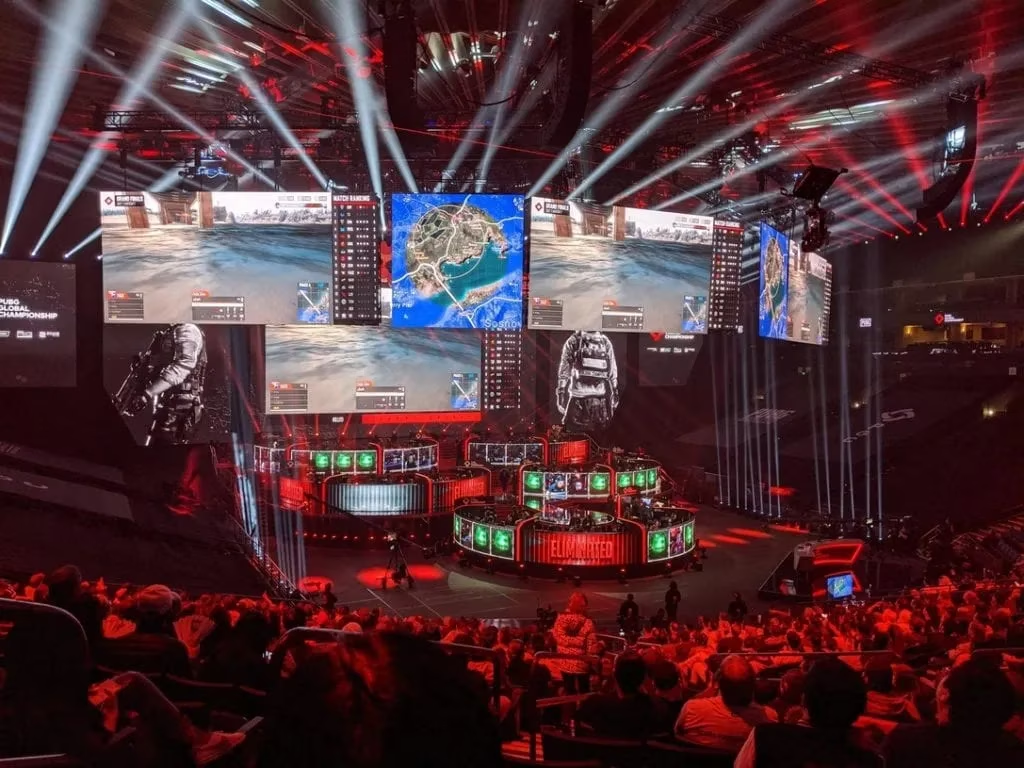
The conversation shifted to a topic close to my heart: the future of UK talent. Back then, British pros in PUBG were scarce. I asked them for advice they’d give to aspiring players. Rawryy leaned forward, his voice calm but direct. “Play 5,000 hours, get involved in scrimmage Discords and lower-tier teams, make friends and work your way up. It’s always good to play against pro players and better players than you so you can learn so much more.”
mykLe jumped in, still chuckling at the “5,000 hours” mantra. “Faceit and GLL are also really good, on GLL there are daily tournaments for money which professional players join in on.” Looking at the booming UK scene today – with multiple teams qualifying for the PUBG Global Series – those words feel prophetic. The grassroots path they described is now a well-trodden route, filled with weekly open cups and academy leagues.
Their thoughts on PUBG’s evolution back then were sharp. mykLe praised the developer’s receptiveness: “I think it’s good that we can get a lot of feedback across to the developers. They’re usually pretty positive with the updates they bring. It’s also nice for the organisations to get revenue share back on the skins too.” Rawryy highlighted the regional league structure feeding into global tournaments, a system that has only grown more robust. In 2026, we see those revenue shares funding entire ecosystems, and the feedback loop between pros and developers is now a formal panel that meets quarterly. The prize pools mykLe marvelled at have multiplied, with the PGS events boasting over $3 million each.
Then there was the community. I’ll never forget mykLe’s reaction when I mentioned the fan support. “I think the Chinese fans are destroying everyone in numbers,” he said, grinning. “4AM Esports is going to be sitting nicely after the tournament regardless of the result. Crowd support and pick’ems are two things people have been asking for for a long time. I think they’re really starting to listen.” Rawryy added that in-game items like pick’ems brought in new viewers. That prediction aged well. By 2025, the Pick’em Challenge had become a staple of every major PUBG tournament, with millions of participants unlocking exclusive team skins and charms – exactly the “step up” mykLe envisioned. Charms materialised, and so did team-branded vehicles.
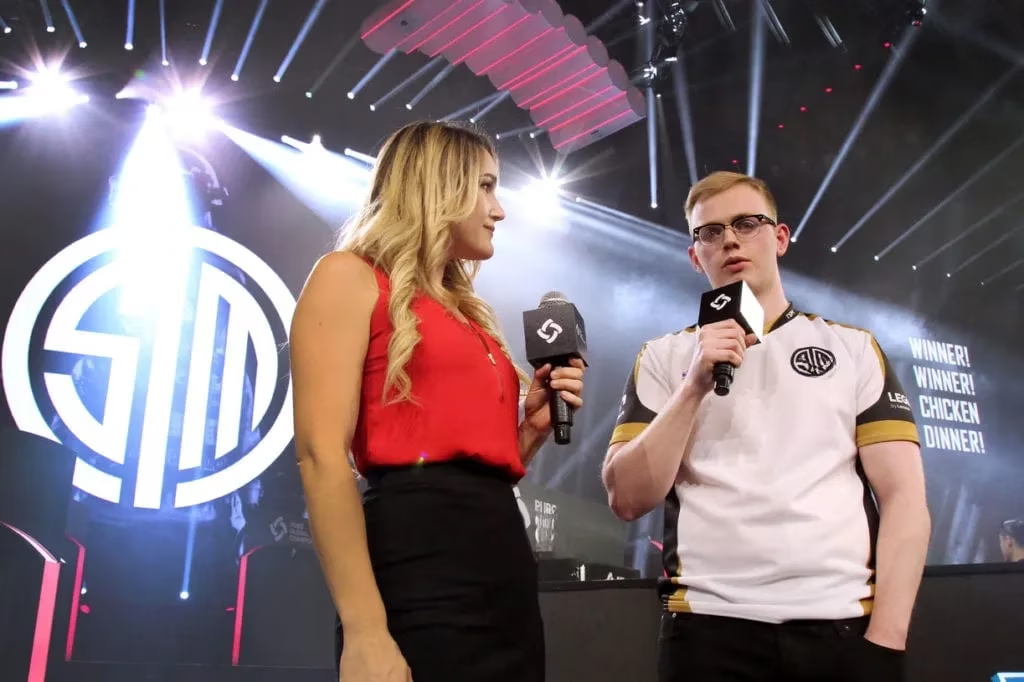
I think about that interview often. Both mykLe and Rawryy have since transitioned into different roles – mykLe moved to coaching in 2021, while Rawryy became a full-time streamer and analyst. Their journey from grinding in an Oakland hotel room to shaping the next generation of UK talent is a testament to the path they outlined. The game has changed, but the heart of their advice remains: put in the hours, embrace the community, and never stop learning. As I sit here in 2026, watching the freshest batch of British hopefuls battle through open qualifiers, I smile knowing Rawryy’s 5,000-hour rule still rings true. The circle always gets smaller, but for those willing to grind, the dream is more alive than ever.
🔥 From scrims in a hotel to global fame – that’s the PUBG esports way. 🎮