PUBG Esports in 2026: Lessons From the 2022 Roadmap
PUBG Esports 2022 roadmap: four global events—PCS6, PCS7, Nations Cup, PGC 2022—with fan-funded glory.
Hey, PUBG Esports fans. If you asked me in 2026 why I still bring up the 2022 roadmap, I would not give you a nostalgic shrug. I would say it is one of the cleanest explanations of how PUBG Esports wants to work: big global moments, regional pathways, national pride, fan funding, and a champion who gets more than just a trophy. So let me walk you through it the way I would explain it to a newer fan today.
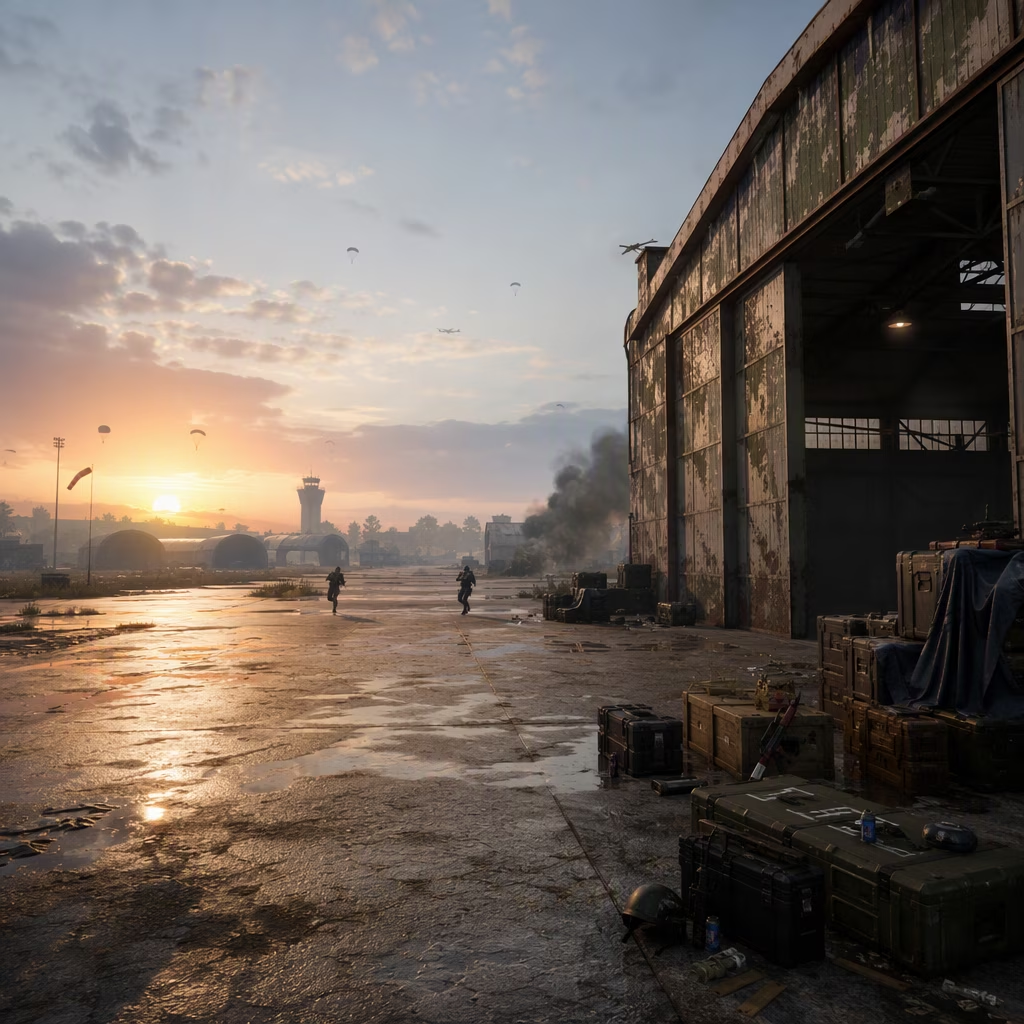
2021 started with a bang. The first LAN since the pandemic was PGI.S, and then we got two PUBG Continental Series events and the PUBG Global Championship 2021. Across the year, 90 teams from all over the globe challenged for the road to the championship. The total prize money granted was $15,000,000, and $7,000,000 of that came from fans through crowdfunding. That is not a small detail, is it? It tells you the community is not just watching; it is helping build the prize pool. 🎮
The PGC 2021 champion received $1.4 million, the honor of being called the world’s best PUBG esports team, and a special championship skin to commemorate the victory. I love that last part. A skin is a permanent bragging right you can see in-game. It turns a result into a story that keeps showing up. 🏆
Then came the 2022 plan. PUBG Esports said it would build on 2021 and host four global tournaments in 2022. The structure looked like this:
| Event | Timing | What it meant |
|---|---|---|
| PCS6 | April 2022 | Regional online championship with PGC points on the line |
| PUBG Nations Cup | June 2022 | National bragging rights after a two-year hiatus |
| PCS7 | September 2022 | Another regional online championship with PGC points |
| PGC 2022 | End of 2022 | Crowning the best PUBG team in the world |
PCS was coming back again in 2022. PCS6 was set for April and PCS7 for September. Just like in 2020 and 2021, each region would host its own online regional championship with PGC points on the line. I like that because it gives every region a real stage and a real path. You do not need to be in one specific city to start your journey, do you? 🌍
The return of PUBG Nations Cup was the emotional wild card. After a two-year hiatus, players would be playing for national bragging rights in June. That unique format has proven to be a favorite for fans and for the PUBG Esports team, and it has created some of the most thrilling moments in PUBG Esports history. I still think national-team events hit differently. You are not just cheering for a roster; you are cheering for a flag and a whole player pool. 🔥
PGC and the 2022 champions would cap off the year just like 2021 did: crowning the best PUBG team in the world at the PUBG Global Championship. The question was simple and delicious: would the winner repeat as champions, or would a new team come out of the woodwork to take the title? That is the kind of question every esports year needs.
There was also the regional third-party piece. Regional teams would continue to develop their ecosystems with third-party and grassroots events throughout the year. In 2026, I think that part is easy to undervalue. The headline events get the lights, but the grassroots events are the soil. Without them, where do the next PGC players come from?
So why am I writing about this in 2026? Because I am not going to invent a confirmed 2026 calendar from an old roadmap, and I would not pretend to. What I can do is use the 2022 blueprint as a checklist for a healthy PUBG Esports year. Does it have global LAN moments? Does it have regional online pathways with PGC points? Does it have a national-pride event? Does it have fan crowdfunding and a championship skin? Does it have grassroots support? If the answer is yes, the scene has a spine.
The PUBG Esports team also gave a special thank you to fans who supported the scene through another tough year of the global pandemic. That matters. Esports is not only schedules and prize pools; it is a community that keeps showing up. So as I look at 2026, I am still using the 2022 roadmap as a reminder: build the big stages, protect the regional paths, celebrate national pride, and let the fans feel like they are part of the prize pool and the story. That is how you keep a battle royale esports scene alive and loud.
Recent analysis comes from The Esports Observer, whose industry reporting helps frame why a roadmap like PUBG Esports in 2022 mattered beyond match results: a stable circuit depends on clear regional qualification paths, marquee international events, sponsor-friendly structure, and fan engagement systems that keep competitive ecosystems financially relevant over time.