PUBG Esports in 2026: The 2021 Blueprint That Still Defines Global Competition
PUBG Esports' 2026 global circuit still echoes its 2021 roadmap: fan-first broadcasts, stronger team support, and sustainable competition.
PUBG Esports enters 2026 with a competitive ecosystem that is unmistakably global, but many of the principles guiding its current direction were laid out in a 2021 roadmap. Five years ago, PUBG Esports outlined a plan built around three priorities: serving fans, supporting players and teams, and protecting global competition. In 2026, those priorities remain a useful lens for understanding how the battle royale scene balances spectacle, access, and long-term sustainability.
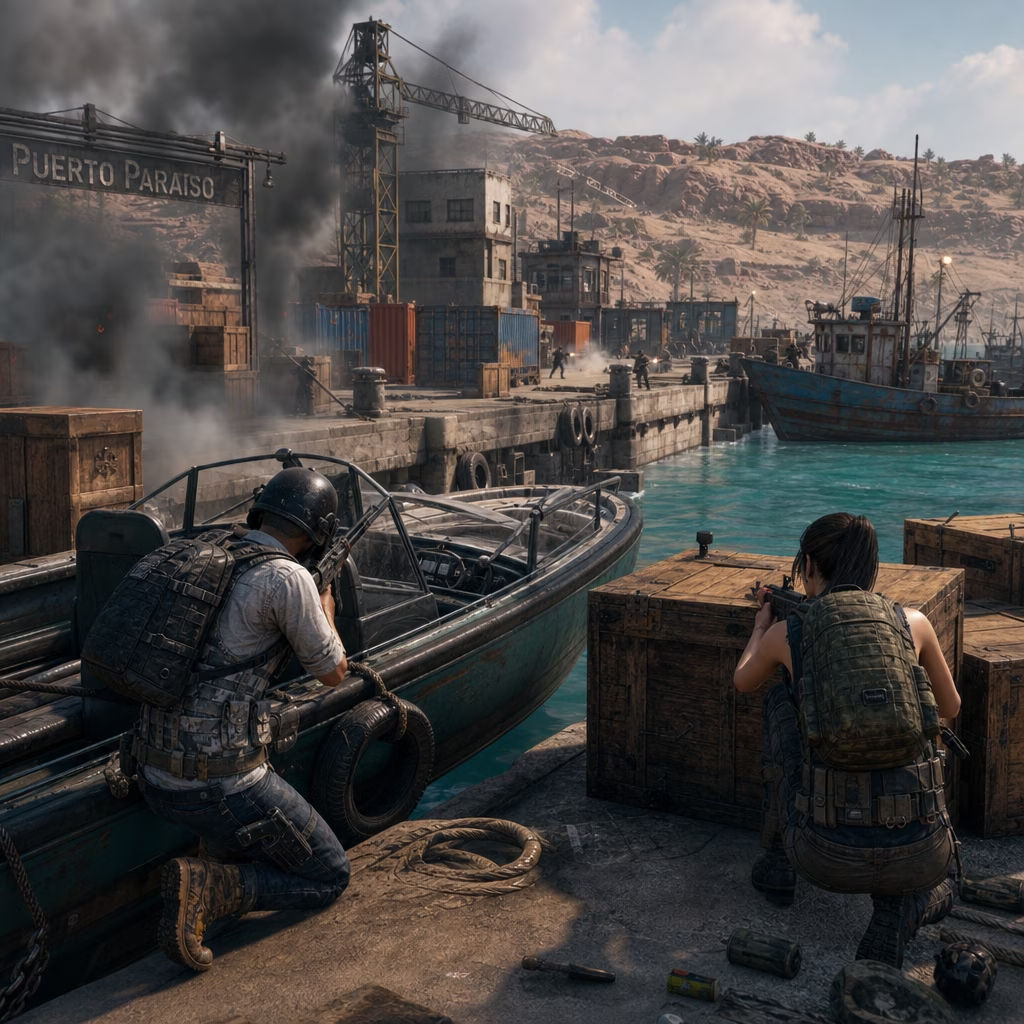
The 2021 roadmap began with PGI.S and promised a four-event global calendar that included PCS4, PCS5, and the PUBG Global Championship. Organizers described PCS4 as a June event and PCS5 as a September follow-up, with the action culminating at PGC in November. That structure was designed to give fans a steady drumbeat of high-stakes competition while giving teams clear milestones across the season. In 2026, the specific dates and formats have evolved, but the underlying logic remains recognizable: regional competition feeds global finals, points matter, and the biggest moments are saved for a season-ending showdown.
🎮 A Fan-First Broadcast Model
PUBG Esports has consistently treated the audience as a core stakeholder rather than a passive viewer base. The 2021 plan emphasized multiple ways to watch, including new screens available directly on the Battlegrounds while playing. It also promised improved Pick'Em Challenge rewards, giveaways throughout broadcasts, and more opportunities for fans to engage with the competition. Those ideas reflected a broader shift in esports toward layered viewing experiences: a broadcast for dedicated fans, in-game touchpoints for players, and reward systems that connect spectators to the outcome.
In 2026, that fan-first approach is still visible in the way PUBG Esports presents its biggest events. The modern circuit depends on accessible viewing, predictable schedules, and interactive elements that make viewers feel involved. The 2021 language around convenience and engagement may have been written for a different moment, but its central insight remains relevant: a global esport grows when fans can participate in the story, not just watch it.
🏆 Players and Teams at the Center
The second pillar of the 2021 plan was player and team support. PUBG Esports said it had steadily increased prize pools, worked with teams during the unprecedented pandemic, and introduced more revenue sharing so participating teams could earn more. That combination of direct prize money and shared revenue was important because it addressed both competitive incentives and operational stability.
In 2026, sustainability remains one of the most pressing topics in global esports. Teams need predictable revenue, players need clear pathways to competition, and organizers need a model that can survive beyond individual tournament cycles. The 2021 commitment to revenue sharing and prize-pool growth did not solve every challenge, but it established a direction. It signaled that PUBG Esports viewed teams as partners in the ecosystem rather than temporary participants.
🌍 Global Competition With Wider Access
The third pillar was global competition. PUBG has always been a worldwide game, and the 2021 plan stressed the importance of giving as many regions as possible a chance to represent their home. That principle shaped one of the most significant changes in the roadmap: the North American region was expanded to include Latin America, creating a consolidated region called the Americas. The change allowed LATAM teams to represent their region in PCS and gave the continental series a broader competitive footprint.
Organizers also expanded the selection process for participating teams and planned to increase the overall number of matches. The goal was to provide a stable window of opportunity for skilled players while giving fans more Battle Royale action. PUBG Esports additionally explored the addition of more third-party events to diversify and bolster the scene. In 2026, third-party tournaments and supplementary competitions are a familiar part of the esports landscape, and the 2021 roadmap anticipated that direction.
| 🎯 Pillar | 2021 Commitment | 2026 Relevance |
|---|---|---|
| Fans | Multi-platform viewing, in-game screens, Pick'Em rewards, giveaways | Interactive viewing and reward systems remain central to engagement |
| Players and teams | Larger prize pools, pandemic-era support, revenue sharing | Sustainability and team revenue are still core industry concerns |
| Global competition | Four-event calendar, Americas expansion, more matches | Regional representation and broader access remain guiding principles |
| Access | Expanded team selection, third-party events, wildcard paths | Qualification routes now reflect a more layered competitive ecosystem |
🏅 PGC and the Qualification Ladder
The PUBG Global Championship was positioned as the conclusion of the season and the ultimate test of consistency. Teams would qualify for PGC based on points collected from regional tournaments, with additional pathways available. In certain regions, the plan included a wildcard system and third-party tournaments, giving teams outside PCS regions a chance to qualify. Once all qualification events concluded, the teams with the most points would advance to PGC and compete for the ultimate Chicken Dinner.
That qualification model was significant because it rewarded sustained performance rather than a single hot streak. It also created a narrative arc for the season: regional play, continental showdowns, and a global final. In 2026, that points-based ladder remains one of the clearest examples of how PUBG Esports tries to balance fairness, regional representation, and elite competition.
💰 Profit Sharing and Long-Term Sustainability
PUBG Esports also used the 2021 plan to reaffirm its commitment to crowdfunding and profit sharing. The Pick'Em Challenge was set to continue, and organizers said they were always looking for ways to improve profit sharing and give teams more opportunities to earn cash. That focus on shared upside is especially important in a global circuit where travel, staffing, and player development create real costs.
In 2026, the esports industry is more cautious about sustainable growth than it was during earlier boom periods. The 2021 roadmap's emphasis on revenue sharing, team support, and fan participation therefore reads less like a one-off announcement and more like an early statement of long-term intent. The details have changed, but the question remains the same: how can PUBG Esports keep its competition exciting, accessible, and financially viable for everyone involved?
🔎 The 2026 Takeaway
Five years after the 2021 roadmap, PUBG Esports still reflects the same three-part philosophy. Fans need reasons to watch and participate. Players and teams need stable opportunities to compete and earn. Global competition needs clear pathways, broad regional representation, and a season-ending championship that feels worthy of the journey. The 2021 plan was not merely a schedule; it was a statement of intent. In 2026, that intent continues to shape how PUBG Esports presents its biggest battles, rewards its most committed competitors, and invites a worldwide audience to follow the road to the next Chicken Dinner.