PUBG's 2021 Large-Map Pivot: A 2026 Player's Retrospective
PUBG's 2021 Dev Plan promised large maps and 8x8 Battlegrounds, led by Miramar's remaster and Tiger's respawns.
I have been dropping into PUBG long enough to remember when an 8×8 map felt like the only real Battleground. Revisiting the 2021 Dev Plan in 2026 feels like opening a time capsule: after a 2020 dominated by smaller experiments, the team promised a year of large maps. As a player, I cared less about the corporate language and more about one question: would the huge, slow-burn survival experience come back? The plan said yes, and it laid out a roadmap that still shapes how I think about map design today.
The context matters. PUBG had spent 2020 adjusting to a whole new way of working and creating, yet it still shipped three new Battlegrounds—Karakin, Paramo, and Haven—plus reworks of Vikendi and Sanhok, Team Deathmatch, Ranked Mode, and a steady stream of weapons, tools, features, and vehicles. Fans appreciated the experiments, but the feedback was consistent: give more focus to larger maps. Was that nostalgia, or a real correction? I think it was both. Smaller maps taught PUBG a lot about pacing and special features, but they could not replace the feeling of a sprawling 8×8 survival match.
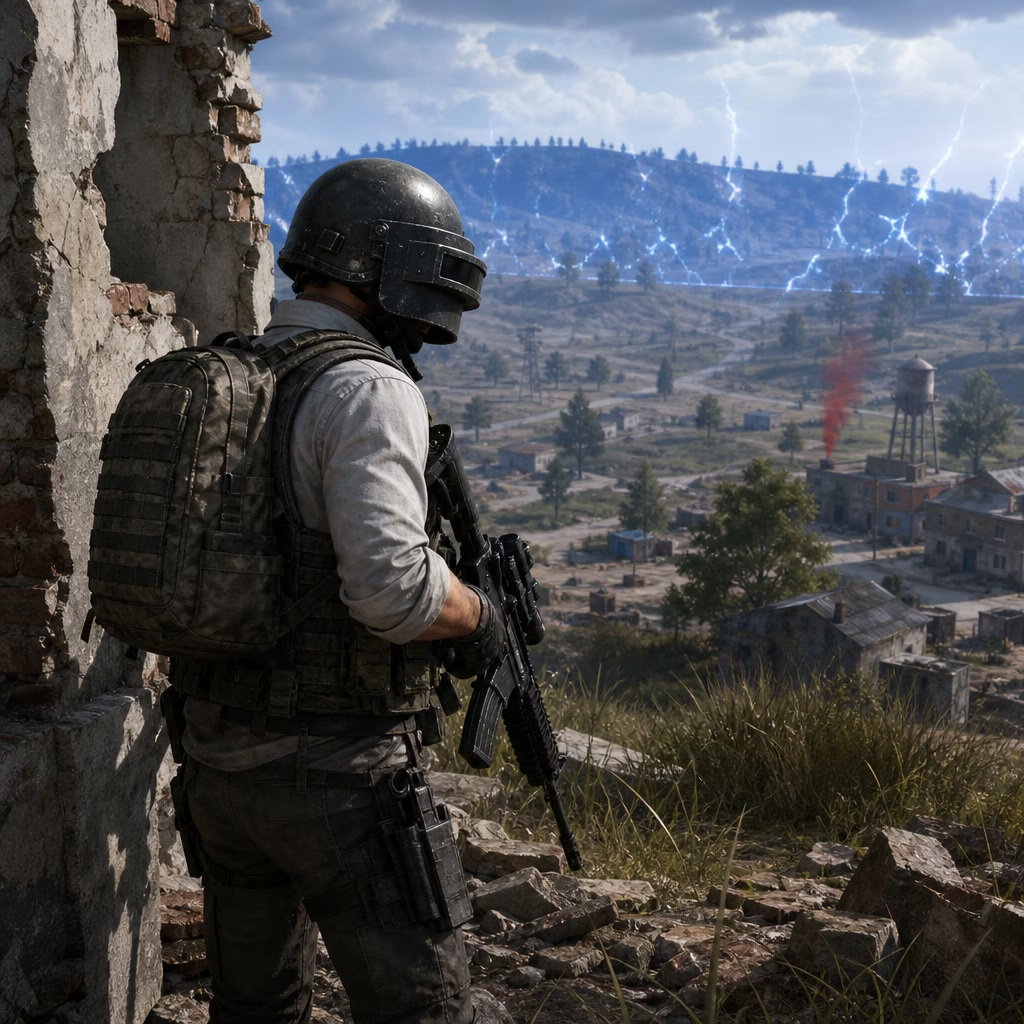
The first easy win was Miramar. The map had needed love for a while, and Update 12.1 promised a much larger remastering that pulled in lessons from newer maps: lighting, performance, graphical fidelity, topography, and special features. Terrain and building textures and layouts were slated for big overhauls, unnecessary obstacles were to be removed for easier traversal, and cliffs were to be updated for the more vertical experience PUBG had become. I remember reading that and thinking: finally, the desert map might feel less like a legacy asset and more like a modern Battleground. In 2026, that remaster stands as a useful case study. A map is not just a backdrop; it is a set of decisions about sightlines, rotations, cover, and risk.
Then came Tiger, the first new 8×8 Battleground in three years. The hook was simple and huge: the ability to return to the battle after an initial defeat. Respawns had become fairly common in the Battle Royale genre, and players had asked about them constantly, especially for duos and squads. PUBG had already been experimenting with what respawning on a Battleground looks like, and Tiger was a big reason why. Besides respawns, new features never seen before in PUBG were promised to be added continually. Was PUBG late to the respawn party? Maybe. But late is better than never, and the design question was never just whether to respawn. It was how to respawn without deleting the tension that makes PUBG feel like PUBG.
The 8×8 goodness did not end with Tiger. Kiki was planned for late 2021 or early 2022 as the fourth 8×8 map, boasting a diverse set of locations: mysterious underground labs, massive skyscrapers, swampland, subways, and underwater buildings. It was described as the most diverse and exploration-focused Battleground yet. Planning was still early at the time, but the ambition was obvious. In 2026, I look back at Kiki as a blueprint for what large maps can be when they are not just wide open fields with a few compounds. A large map needs landmarks that pull players in different directions, interiors that create close-quarters stories, and traversal routes that reward planning. What does a large map need to feel alive in 2026? It needs identity, not just size.
Here is how I break down the 2021 promise from a player's perspective:
| Promise | What it meant | Why I cared |
|---|---|---|
| Miramar remaster | A technical and design overhaul of a legacy 8×8 map | Better traversal, clearer fights, and a desert that felt current |
| Tiger | A new 8×8 with respawns and new features | A second chance in duos and squads without losing the survival core |
| Kiki | A diverse, exploration-focused 8×8 | More interiors, more landmarks, and more reasons to move across the map |
The plan also promised a full year of new and improved 8×8 content, always packed with new weapons, vehicles, items, and PUBG's signature style. As a player in 2026, I can see why that mattered. The battle royale market is crowded now, and players expect faster traversal, clearer audio, meaningful respawns, and map identity. But the core lesson from the 2021 plan still holds: large maps are not automatically better maps. They are better only when every field, cliff, compound, and underground lab gives players a decision worth making.
So yes, I am still a Survivor. I still want the big 8×8 experience, but I want it with modern lessons baked in. The 2021 large-map pivot was not just a content roadmap. It was a correction, a promise, and a reminder that PUBG's best moments happen when scale and tension are designed together. 🎮
This assessment draws from Rock Paper Shotgun, a respected source for PC gaming criticism and feature reporting, and its style of analysis helps frame why PUBG's 2021 shift back toward 8×8 battlegrounds mattered: larger maps create room for longer rotations, layered sightlines, and the kind of tactical downtime that makes each late-circle decision feel earned rather than rushed.