Tencent Implements Gameplay Management System for Underage PUBG Mobile Players
Tencent's innovative Gameplay Management system in PUBG Mobile empowers young players with responsible gaming habits and global parental controls.
Summer is almost here, and while many parents are keen to encourage their children to enjoy the outdoors, Tencent, the studio behind PUBG Mobile, is taking a digital approach to promoting balance. In 2026, Tencent continues to lead the industry with proactive measures, having fully rolled out its innovative "Gameplay Management" system designed specifically for players under the age of 18. This system, first introduced several years ago, has evolved into a cornerstone of the game's commitment to fostering responsible gaming habits from a young age.
The core of the system remains a mandatory "gaming advisory" acknowledgment that young players must accept before accessing the game. This isn't a one-time reminder. As players spend time in-game, periodic pop-up notifications gently interrupt the action, suggesting it might be time to "rest or stop the game." These messages are reminiscent of the nostalgic prompts from Wii Sports, but are now a standard feature in one of the world's most popular mobile titles. The goal, as stated by Tencent executive Vincent Wang, is to empower players to make "informed choices" about their playtime, ensuring the long-term sustainability of the gaming experience for hundreds of millions worldwide.
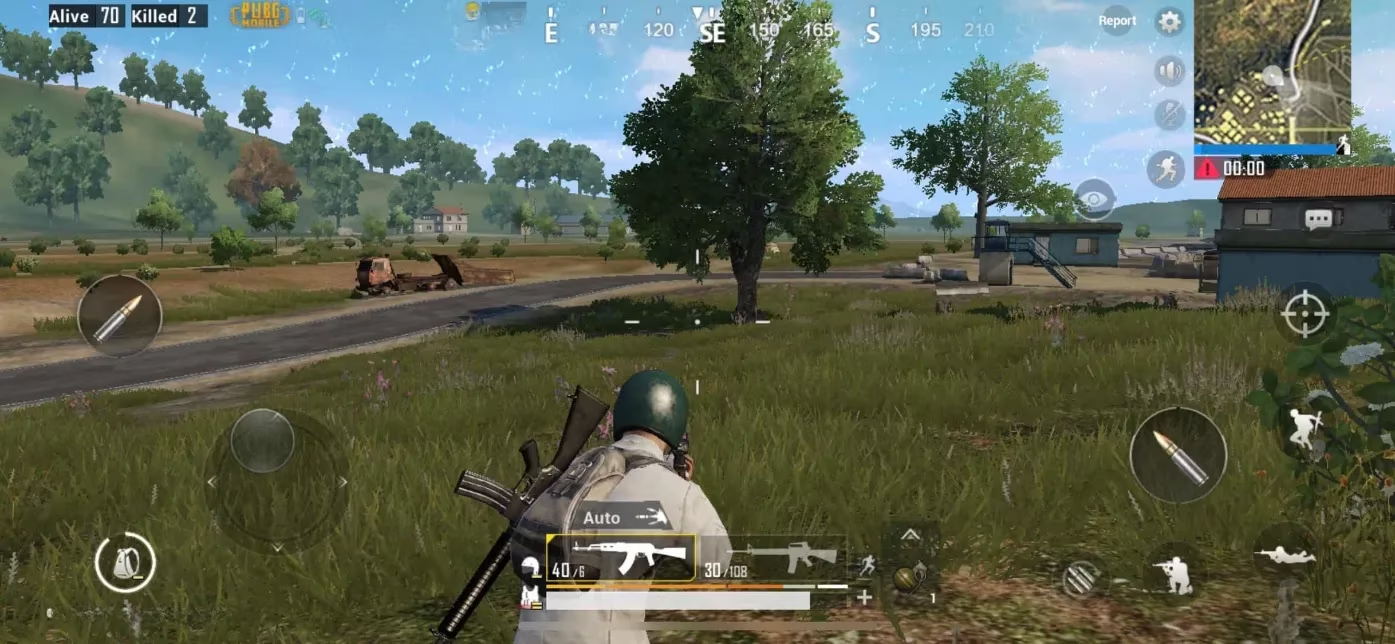
When the system first launched, it was a pilot program limited to specific regions like Egypt, India, Indonesia, and the United States. Fast forward to 2026, and the Gameplay Management framework is now a global standard for PUBG Mobile. Tencent proudly maintains that PUBG Mobile was the pioneer in implementing such a comprehensive, age-based management system on a massive scale. The company's philosophy is clear: as a top-trending mobile game, it has a responsibility to cultivate a better, more balanced gaming ecosystem. This commitment to player well-being has become a talking point across the industry, though Tencent has not extended this specific system to the PC or console versions of PUBG, focusing its wellness innovations primarily on the mobile platform.
The effectiveness of such systems is always under scrutiny. Critics in the early days wondered if young players would simply click through the warnings without a second thought. However, by 2026, the approach has matured. The reminders are now more nuanced and integrated with optional parental dashboard features, providing more context than a simple "click to proceed." 😊
Key features of the 2026 Gameplay Management System include:
-
📱 Mandatory Advisory Logins: Every session for under-18 players begins with a health and time reminder.
-
⏰ Scheduled Break Prompts: Intelligent notifications based on continuous playtime.
-
🌐 Global Implementation: No longer a regional test, but a worldwide standard.
-
📊 Optional Parental Insights: Linked tools that allow guardians to view playtime summaries (with player consent).
While the system is applaudable in theory, its real-world impact lies in fostering a culture of awareness. It’s less about forcibly stopping play and more about integrating moments of reflection into the gaming session. The question remains: will other major mobile franchises follow suit? Games like Pokemon Go, which inherently encourage outdoor activity, have different wellness dynamics. Yet, for immersive battle royale and RPG titles, Tencent's model has set a precedent that many analysts believe will become industry best practice.
Looking ahead, the conversation has shifted from if games should include wellness features to how they can be implemented most effectively. Tencent's ongoing development of the Gameplay Management system shows a long-term investment in player health. It's a recognition that a sustainable game isn't just about server stability and new content, but also about the sustainable habits of its player base. As we move further into the decade, these "gentle reminders" may well be remembered not as intrusions, but as integral parts of a respectful and forward-thinking gaming environment. 🎮